1UrbanCity wetland park for surface water co-creation in Barcelona, Spain
Spain · Mediterranean
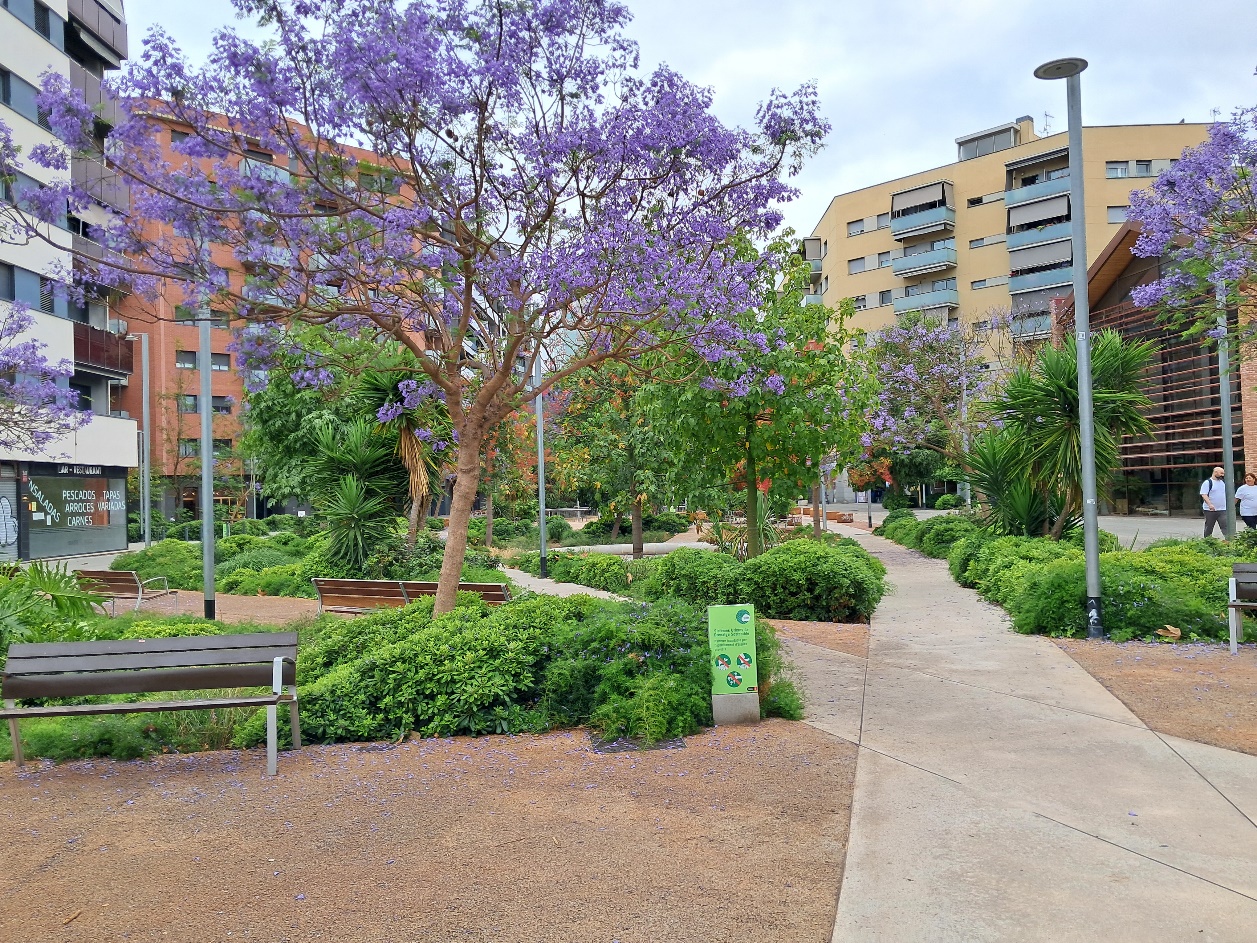
A 3 ha linear SUDS wetland park harvesting rainwater across three city-centre streets for park maintenance, aquifer recharge, and drought-season reuse.
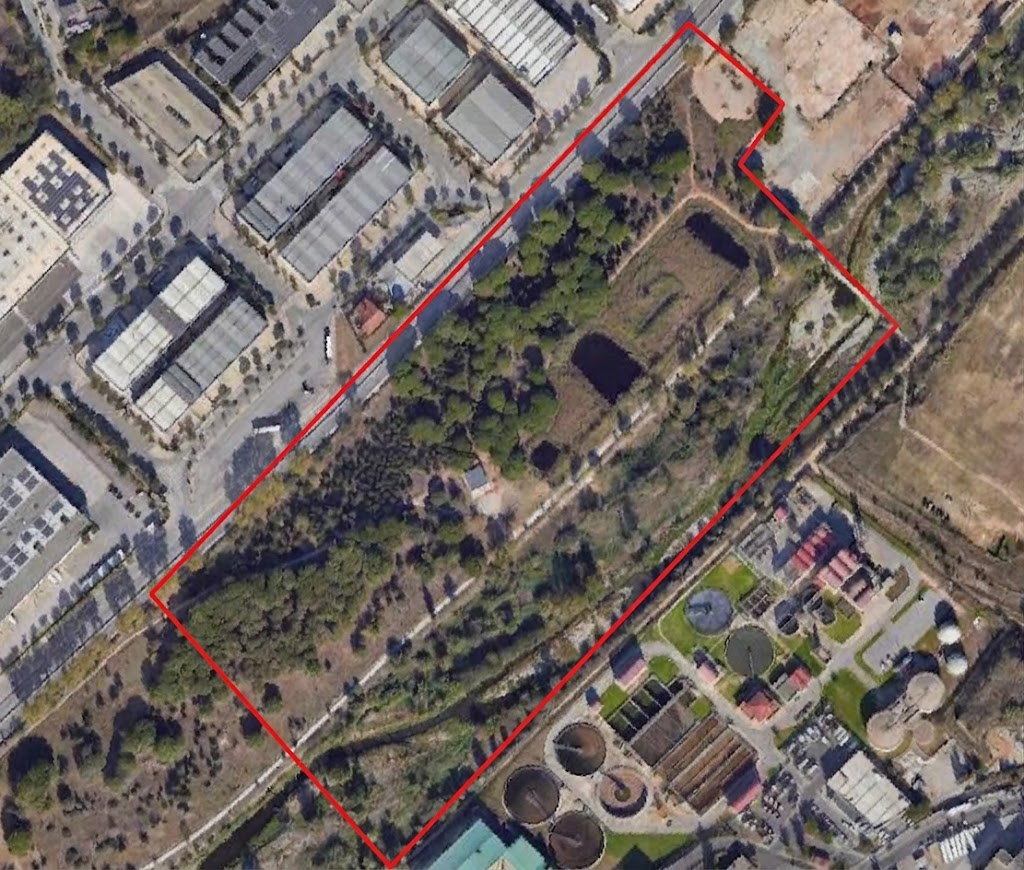
Environmental recovery site in Granollers with a 1.1 ha constructed wetland providing tertiary treatment and water reuse for the city.
Can Cabanyes is an environmental recovery site in Granollers (Barcelona, Spain) that once was degraded but now functions as a natural habitat, recreation area, and core of the city's water reuse. A 1 ha constructed wetland acts as a tertiary treatment system for the Granollers wastewater treatment plant, using aquatic plants such as reeds and bulrushes to naturally filter wastewater while creating a thriving habitat popular for birdwatching and environmental education. An expansion project planned for 2026 will increase the natural area to roughly 8 hectares, adding stream restoration, a bioremediation stream, a second constructed wetland, and an associated flooded forest.
Socio-economic monitoring shows how people access, use, perceive, and engage with this showcase. It combines partner-uploaded social indicators with geo-based survey results where available.
Accessibility
—
Visitors
—
Sentiment
—
Survey responses
—
Well-being
—
Engagement
—
Awaiting 2025 data
Per assessment point: anonymous aggregated mean scores for sentiment (S2A), physical well-being (S2B), and mental well-being (S2C). Individual responses are never shown.

Assessment points — Sentiment
| Code | Indicator | What it measures | Source | Frequency | Status |
|---|---|---|---|---|---|
| S1A | Time accessibility | Population or travel-time access to the wetland | Partner upload / External Data Analysis | Annual | Awaiting 2025 data |
| S1B | Wetland visitors | Number of visitors per year | Partner upload | Annual | Awaiting 2025 data |
| S1C | Users accessibility | Potential users per km² | Partner upload / External Data Analysis | Annual | Awaiting 2025 data |
| S2A | Sentiment Index | Positive, neutral, and negative perception | Partner upload / geo-based survey | Annual / survey-based | Awaiting survey data |
| S2B | Physical well-being survey | Self-reported physical well-being | Geo-based survey | Survey-based | Survey not started |
| S2C | Mental well-being survey | Self-reported mental well-being | Geo-based survey | Survey-based | Survey not started |
| S3A | Public involvement | Participation in wetland-related activities | Partner upload | Annual | Awaiting 2025 data |
| S3B | Virtual engagement | Online or digital engagement level | Partner upload | Annual | Awaiting 2025 data |
| S3C | Social contribution to science | Number or percentage of public contributions | Partner upload | Annual | Awaiting 2025 data |
Gallery
Images help communicate site context, monitoring activities, and nature-based solution interventions.
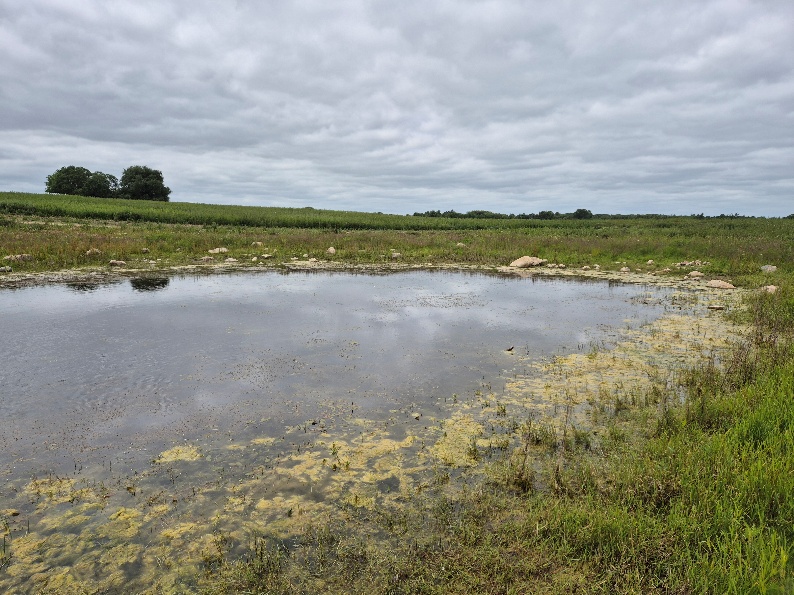
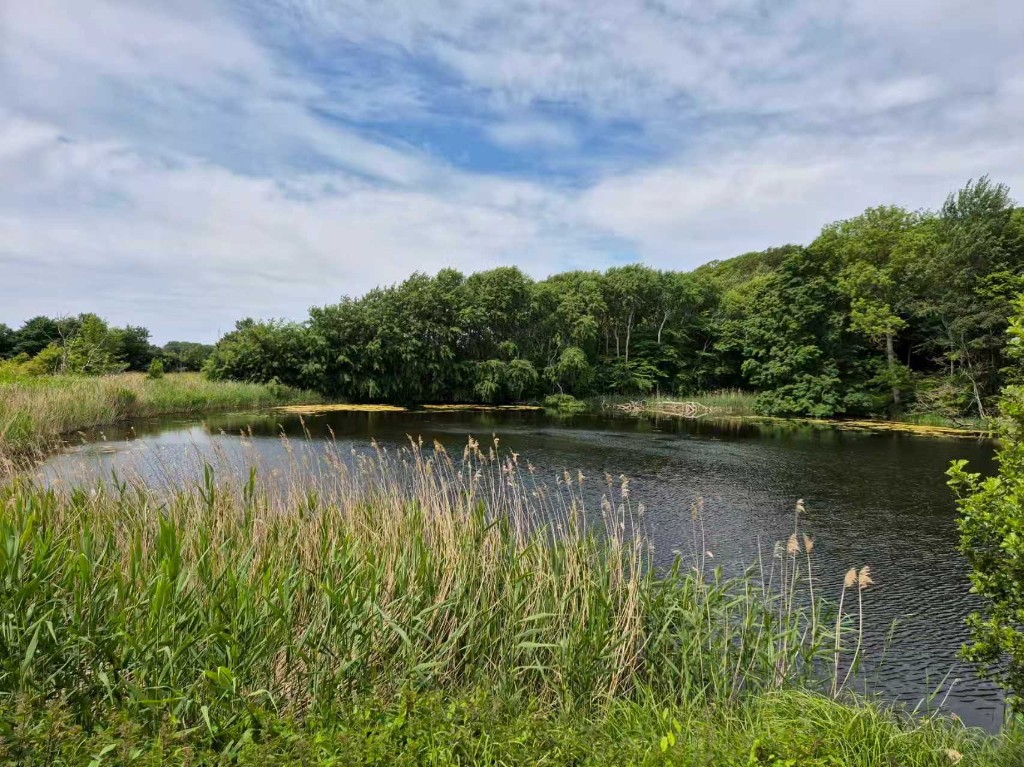
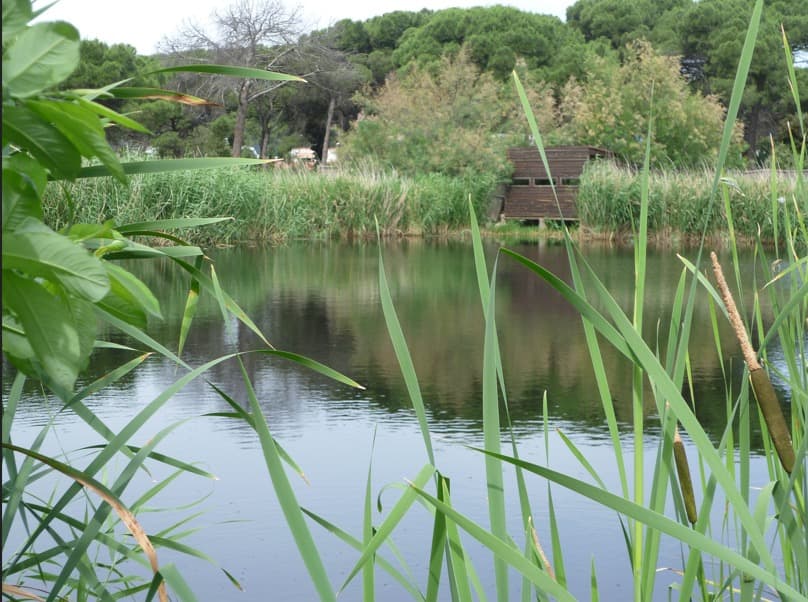
Constructed wetland at Can Cabanyes
Treatment cells with aquatic vegetation
Environmental recovery landscape
Water reuse and wetland infrastructure
Continue exploring
1UrbanSpain · Mediterranean
A 3 ha linear SUDS wetland park harvesting rainwater across three city-centre streets for park maintenance, aquifer recharge, and drought-season reuse.
3Peri-urbanDenmark · North temperate zone
100 ha rewetting site south of Vilhelmsborg transforming former farmland into forest, ponds, meadows, and a new river valley.
4Peri-urbanDenmark · North temperate zone
Nature-based wetland reservoirs across Samsø island supporting irrigation, nutrient retention, and biodiversity in a dry island climate.
Compare showcase sites across Europe and explore monitoring outputs on the map.